johnhdsr's pick · Updated September 2026
Google Nest Thermostat
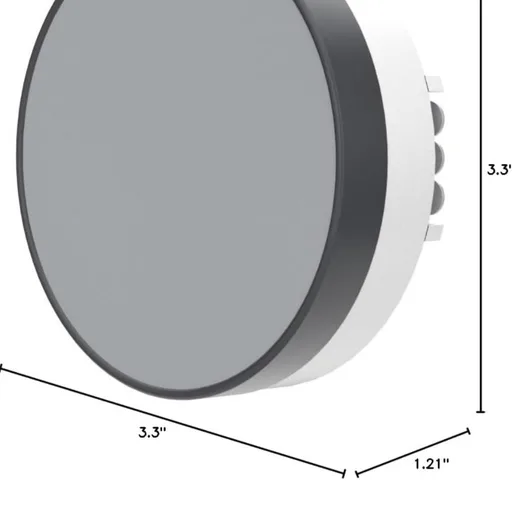
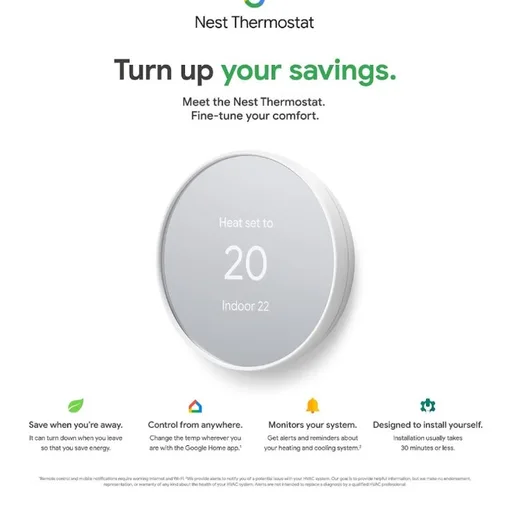
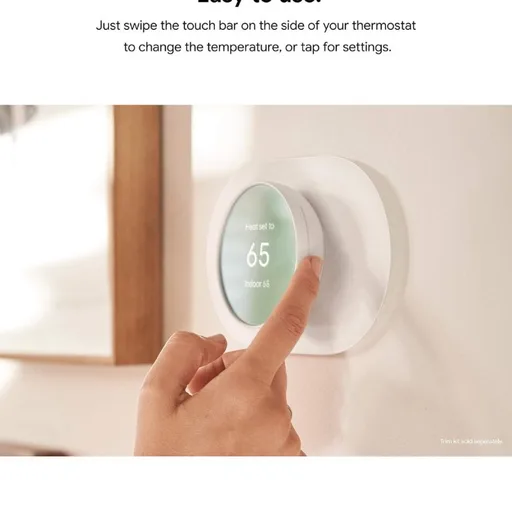
A smart thermostat may make the most sense for a home that wants easier temperature control without adding a lot of complexity at the wall. This Google Nest Thermostat sits in that middle ground: it is aimed at people who want app-based control, scheduling, and wifi-connected convenience, but do not necessarily need every advanced feature found in the pricier thermostat category.
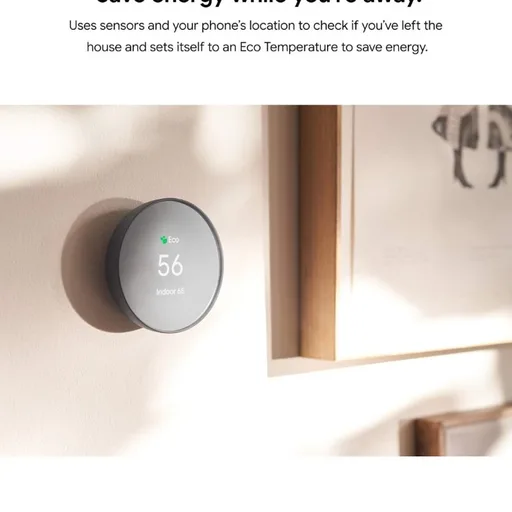
The main reason to consider it is simple. A programmable thermostat can help organize heating and cooling around a routine, and a connected model can make that easier to adjust when plans change. For someone who already checks settings from a phone, or who wants to avoid walking to a hallway or utility area every time the temperature needs to shift, that kind of control can be appealing. The charcoal finish also makes it a quieter visual choice than a brighter wall device, which may matter in rooms where the thermostat is visible all day.
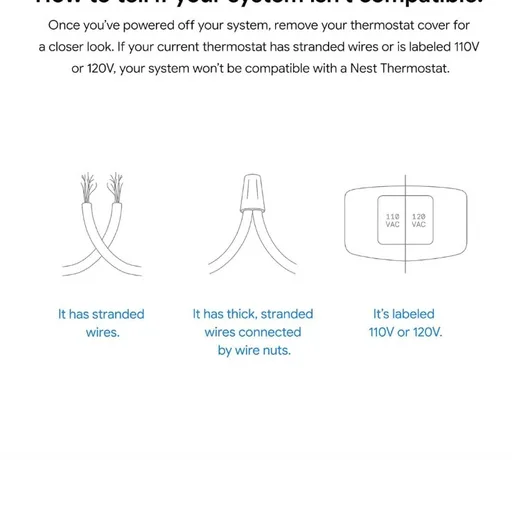
Who this is for matters here. This may suit a person who wants a straightforward smart thermostat rather than a more complex home automation setup. It could be a good fit for someone updating an older thermostat and looking for a cleaner way to manage schedules, or for someone who expects to change temperatures remotely instead of treating the wall unit as a set-it-and-forget-it control. It is also the kind of product that fits better when the buyer is willing to check compatibility first, since thermostat installs often depend on the existing wiring and the heating or cooling system already in the house.
That compatibility check is the main limitation to keep in mind. A smart thermostat is not a universal replacement, and the useful question is not just whether it looks simple, but whether it will work with the current setup without extra hardware or a more involved install. It is also worth confirming how much of the app-based control is actually useful in your routine, because some buyers want only the basics while others expect deeper scheduling or automation options. Those are decision points to verify before buying, not flaws specific to this model.
The evidence posture here is intentionally cautious. With no usage notes supplied, the right approach is to treat the product title and listing category as a starting point, then compare it against the actual needs of the home. Read the compatibility details, check whether the mounting and wiring requirements match what is already on the wall, and look at how the thermostat handles scheduling, remote access, and manual control. If those basics line up, the product has a clear place in the smart thermostat category.
In the end, this may fit someone who wants a modest, modern thermostat with wifi features and a programmable core, without needing a more elaborate control system. If the goal is simple temperature management with app access and a cleaner wall presence, it is worth a close look. If the setup is unusual or the buyer wants advanced automation, the safer move is to compare it carefully against the rest of the thermostat field before deciding.
Amazon product links on this guide are not currently affiliate links. Neither johnhdsr nor Buyer Field Guide earns an affiliate commission from them.
See current price